Small Gestures, Safer Rolls: The Bury Mat Etiquette Every New Grappler Should Know
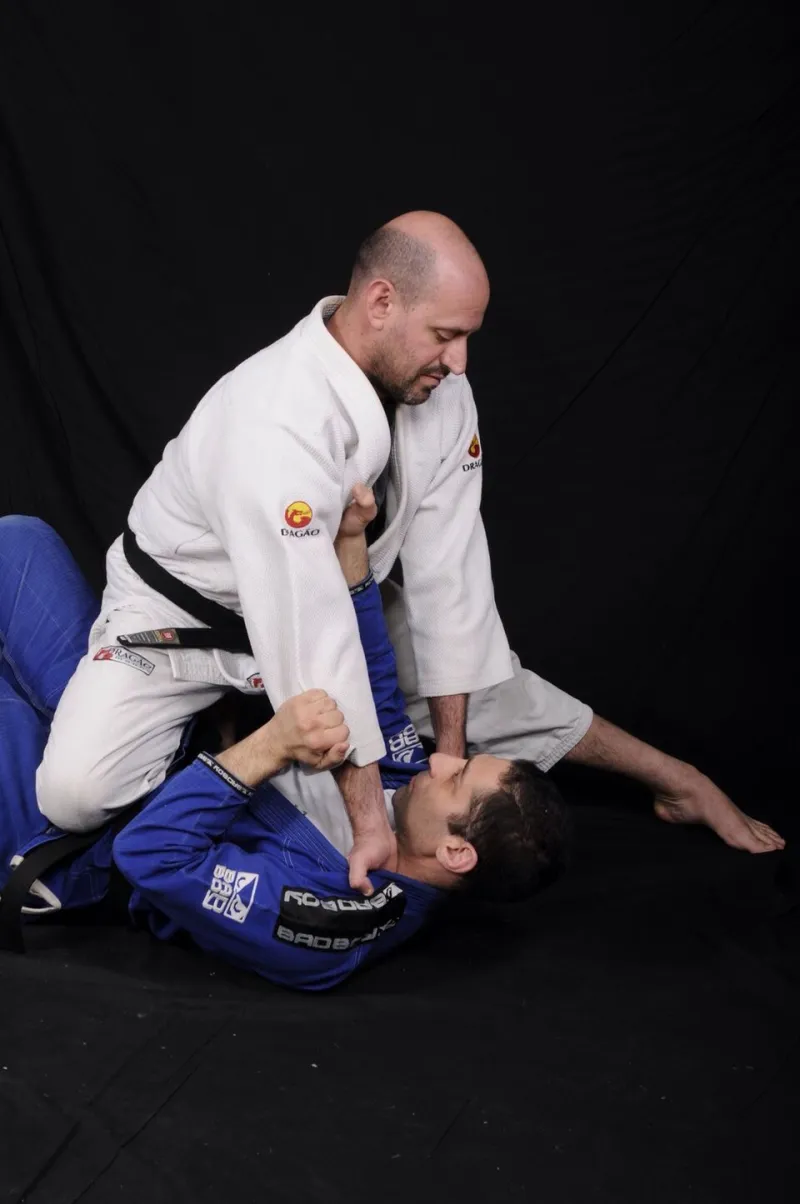
Photo: Yossigur, CC BY-SA 4.0, via Wikimedia Commons
Walking into a Bury jiu-jitsu club for the first time can feel a bit like turning up to a house party where everyone already knows where the kitchen is. You are keen, a little nervous, and quietly wondering whether you should bow, bump fists, or just hover by the door looking friendly. The good news is that most local mats are far less mysterious than they first appear. Etiquette is not a secret handshake or a test you can fail. It is a set of small, practical habits that help everyone train safely and feel welcome.
First things first: shoes off, phone away, arrive ready
Aim to arrive ten or fifteen minutes before the session starts. That gives you time to change, fill your water bottle, meet the coach, and get your bearings without charging straight into a warm-up. If Bury's weather has done its usual thing and you have arrived soggy from the Interchange, sort your kit out before you step on the mat. Outdoor shoes stay off the training area. Always. The same goes for bags, coats and anything else that has been tramping around town.
Once you are on the mats, keep your phone silent and out of sight. A quick glance between rounds is one thing; scrolling through messages while someone is waiting to drill is another. Arriving a few minutes late is not the end of the world, but if you do miss the start, wait at the edge until the coach waves you in rather than wandering through a live drill.
The bow, the bump and the awkward hello
Do you need to bow? In many Brazilian jiu-jitsu clubs, not really. Some sessions start with a line-up or a short bow towards the mat, and some coaches prefer a more informal start. The simplest rule is to follow the room. If everyone lines up, join the line. If the coach offers a fist bump, bump back. If you are not sure, ask. Nobody minds a new person checking what the score is.
The fist bump is the more common bit of BJJ ceremony you will see. It is a small signal that says: we are about to train, let us look after each other. Do not overthink it. A bump, a nod and a quick hello is plenty. You do not need to memorise a script. Being sound matters far more than getting the ritual perfect.
Clean kit is community care
This is the big one. Wash your gi, rash guard, shorts and spats after every session. Keep your nails short. Leave the jewellery at home. Give your training kit a proper airing rather than leaving it festering in a gym bag until Thursday. None of this is fussy or precious. It is basic care for the people you are rolling with, and it helps keep the whole club healthy.
If you are ill, stay home. If you have a skin issue, a cut or anything that might be contagious, speak to the coach before training. Bury's clubs are community spaces, and looking after the mats means looking after the people on them. A clean towel, a fresh water bottle and a spare hair tie in your bag will cover most emergencies.
Tapping is a full sentence
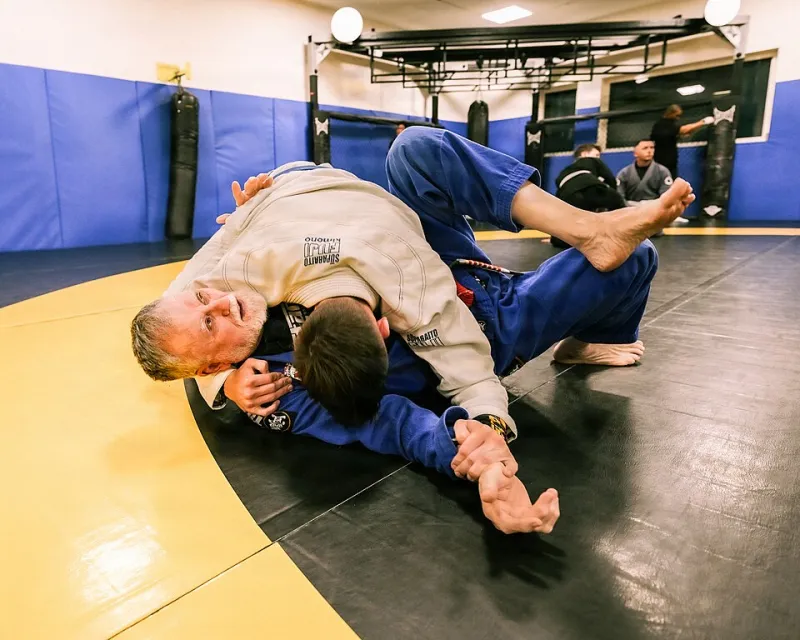
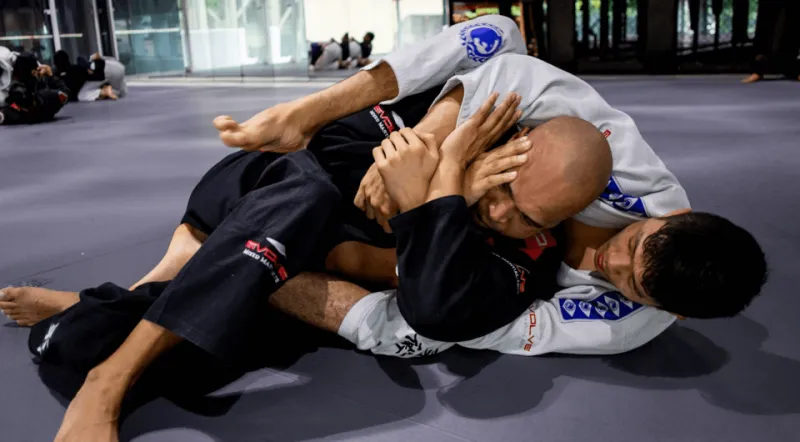
Respecting the tap is non-negotiable. If you are caught in a submission and you need to stop, tap your partner, tap the mat, or say "tap" clearly. There is no shame in it. Tapping early is a skill, not a failure, and it is far better than trying to tough out a position that has already gone past your comfort zone.
If someone taps you, let go immediately. Not after a cheeky extra squeeze, not while you finish the thought, not with a little smile. Immediately. That trust is what lets people train hard without feeling unsafe. The same goes for the awkward moments. If you are not sure whether your partner is okay, ask. If you accidentally catch someone with a knee or an elbow, check in. A quick "you alright?" goes a long way.
Ask before you advise
New grapplers often want to help, and that is a good instinct. But mid-roll coaching can be confusing, especially when both people are still learning. If you see something you think might help, save it for after the round and ask first: "Can I show you something?" If someone is more experienced and offers you a tip, listen, try it, and ask questions if you need to. You do not have to accept every bit of advice, but you can be gracious about it.
Higher belts are usually happy to answer questions after training. They are less keen on being coached through a roll by someone who has been training for three weeks. There is a time for chat and a time for drilling. Learning to spot the difference is part of settling into the club.
Rolling with higher belts: steady is the word
If you get paired with a more experienced grappler, do not panic. They are not there to smash you through the floor. Good higher belts adjust their pace, give you room to work, and keep things safe. Your job is to communicate. Say if you have an injury, say if you are unsure about a position, and say if you need to slow down.
Do not treat every roll like a final. Start steady. Avoid wild scrambles and sudden jerks, especially if you are bigger or stronger than your partner. If you do not know what to do, pause and ask. If you are caught, tap. If you catch someone, apply pressure gradually and give them time to respond. Safe rolling is a shared effort, not a solo performance.
Space, pace and the shared mat
Keep an eye on the space around you. Do not walk through the middle of a live roll on your way to your water bottle. Wait until there is a gap, or walk around the edge. Keep your bag tidy and out of the training area. If you sweat on the mat, wipe it up. If you need a breather, take one without feeling like you have to explain yourself.
Bury's jiu-jitsu scene is friendly, but friendly does not mean lawless. The little things, like not shouting across the room during drilling or not hogging a partner for the whole session, help the club run smoothly. New people notice that atmosphere. It is often the reason they come back.
When something goes wrong
Etiquette is not about pretending everything is perfect. If someone is rude, rough or ignoring the tap, tell the coach. If you accidentally do something wrong, apologise and learn from it. Most of the time, a quick check-in sorts things out. The mats should be a place where beginners can make mistakes without being made to feel small.
So, bow if the club bows, bump if a bump is offered, and be sound in between. The rest is mostly common sense with a bit of care thrown in. Bury's mats are better when everyone looks out for each other, and that starts with the small gestures. See you on the mats.