Scrapes, Stiff Joints and Strange Bruises: Looking After Your First Month on the Bury Mats
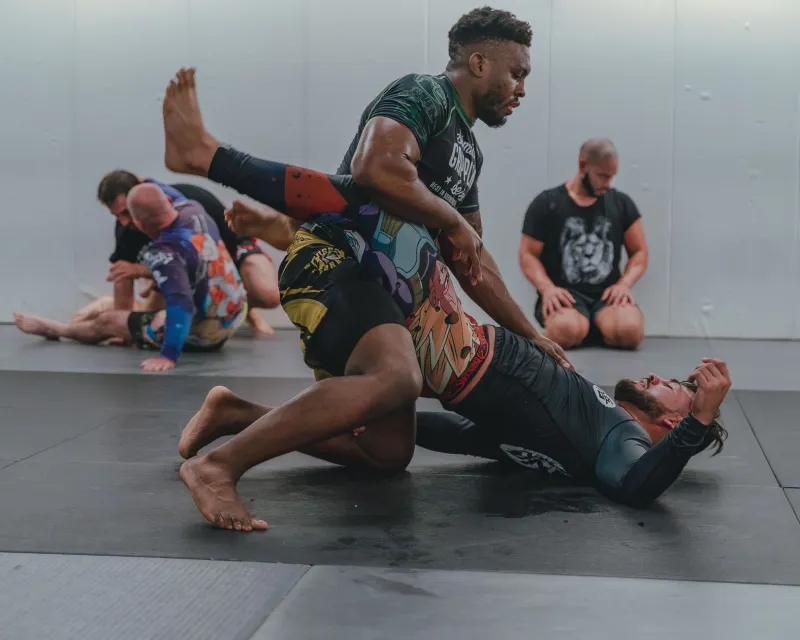
Your first month on the mats is brilliant. It is also a bit of a scrapbook. You will collect a mat burn here, a mystery bruise there, a sore finger that appeared from nowhere and a newfound respect for people who can tie a gi knot while chatting. None of that means you are doing it wrong. It means you are learning a contact sport in a room full of friendly, moving bodies.
At Bury BJJ Hub we are all for a calm approach to the small stuff. A scrape is not a personality test, and a bruise is not a medal. The goal is simple: look after the minor knocks so they stay minor, and know when to ask for a proper opinion.
The usual suspects in month one
Mat burn is the classic. It tends to show up on knees, elbows, feet and the odd surprising patch of forearm after a session of drilling or a scramble that felt faster than it looked. Gi rash is another regular: a bit of friction irritation where the jacket or trousers rub. Then there are mystery bruises, sore knuckles, stiff necks and the general ache that comes with using muscles in new directions.
Most of this settles with a bit of care and a little common sense. The trick is not to ignore something that is getting worse, and not to panic about every mark.
A small kit that earns its place
You do not need a mobile clinic in your gym bag. A small pouch is enough. Think antiseptic wipes, a few non-stick dressings, micropore tape, blister plasters, a small tube of barrier cream or Vaseline for friction hot spots, and a couple of alcohol-free wipes. Add nail clippers and a spare hair tie if you use one. A small cold pack that lives in the freezer at home is handy too. Keep it simple, check it now and then, and replace anything that has been opened and rattled around for months.
Mat burn and gi rash: the everyday stuff
For mat burn, clean it gently with water or an antiseptic wipe, pat it dry and cover it if it is oozing or likely to rub. Keep it clean. If it is small, you can usually train, but cover it and tell your partner if it is on a spot they will contact. If it looks hot, spreading or weepy, get advice from a pharmacist or GP. Do not slap a dirty plaster on and call it a day.
Gi rash is mostly a washing and drying issue. Wash your kit after every session. Not a quick rinse - a proper wash. Dry it fully. Shower soon after training where you can. Do not share towels, razors or water bottles. If a patch is itchy, raised or spreading, stay off the mats and get it checked. Skin infections love a warm gym bag and a busy mat.
Bruises, tweaks and sore joints
For a fresh bump, a cold pack wrapped in a cloth for short spells can help comfort. For a tweaked joint, relative rest, support and elevation are sensible starting points. If you cannot put weight on it, it is swelling quickly, or the pain is sharp and not settling, get proper advice. Do not train through a joint that is giving way.
Sore fingers and stiff necks are common in the first few months. Tape fingers if you need to, but learn how to do it properly rather than wrapping them into a mitten. Take rest days. A bit of gentle movement and a warm shower can help ordinary stiffness, but anything that keeps getting worse deserves a closer look.
When to ask the coach or a professional
Coaches see a lot of ordinary knocks. They are not doctors, but they are good at saying 'that is normal' or 'get that looked at'. Ask if you are unsure. Seek medical advice for head knocks with dizziness, sickness, confusion or memory gaps; numbness or tingling; a joint that locks or gives way; a cut that will not stop bleeding; or any skin thing that is spreading. In the UK, a pharmacist can help with minor skin issues, and NHS 111 is there when you are not sure where to go.
The prevention bit nobody finds exciting
Trim your nails. Wash your hands. Wear flip-flops off the mat. Clean your kit. Drink water. Build in rest days. Tell your training partner if something is sore before you roll, not after. These are small habits, but they make a big difference in a club full of people who want to keep rolling together.
The first month is meant to be a bit messy. You will pick up scrapes, learn the difference between a nuisance and a warning sign, and get better at looking after yourself. That is part of the skill. Bury's mats are friendlier when people look after the small stuff and speak up early. So pack the little kit, wash the gi, ask the question and keep showing up - sensibly.