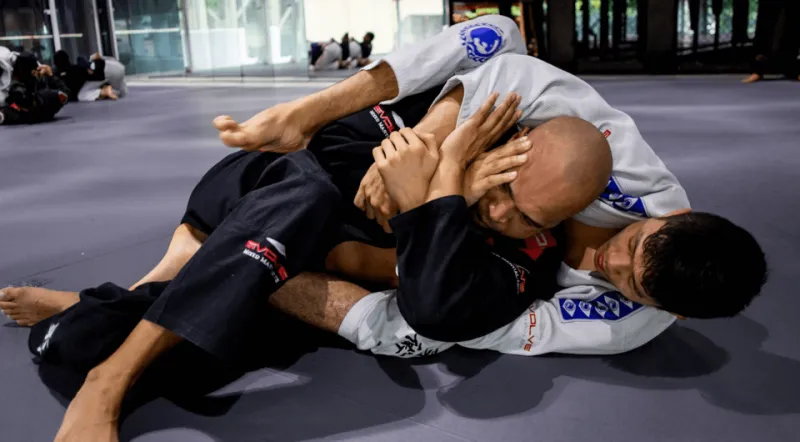
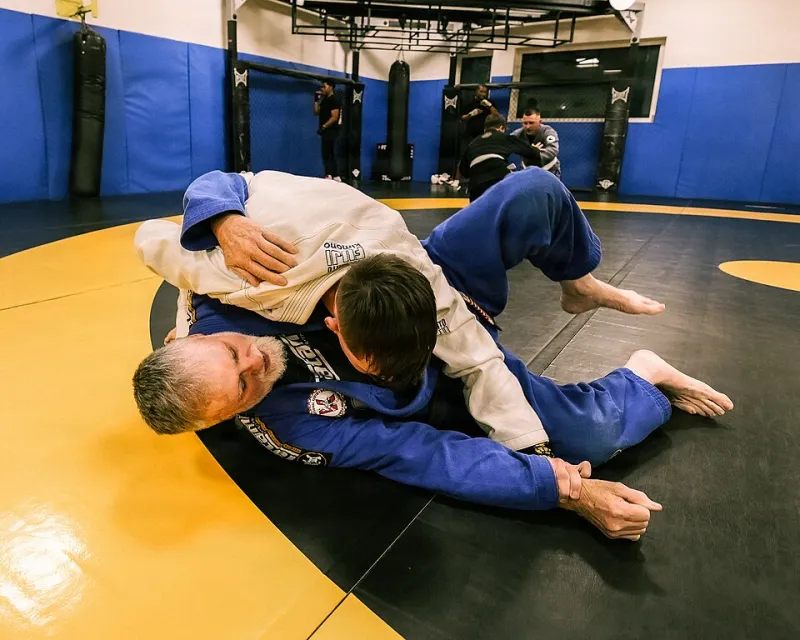
Nerves, Noggins and North West Mats: A Bury White Belt’s First Comp Plan
Photo: Zekerags, CC BY-SA 4.0, via Wikimedia Commons
Your first competition can feel like a big deal — because it is. But it doesn’t have to feel like a looming exam. For a Bury white belt in 2026, the aim is simple: pick a sensible local event, prepare steadily, turn up organised, and come home with something useful to work on. The medal is a bonus; the experience is the point.
Start with the right event, not the biggest one
The North West has plenty of competitions within reach of Bury, from beginner-friendly local promotions to bigger open events. For a first outing, look for something with white belt divisions, beginner brackets, or a reputation for sensible matchmaking. A short trip to Manchester, Bolton, Rochdale or Warrington is often easier than turning your first comp into a full-day expedition to the other side of the country.
Check the basics before you enter: is it gi, no-gi or both? What ruleset does the promotion use? Are weigh-ins on the day or the night before? Is there a coach or teammate going who can corner you? If the entry page feels confusing, ask your coach. A good club will help you choose an event that suits your experience, not just the one with the flashiest poster.
The weeks before: small jobs, big returns
You do not need a heroic training camp. You need steady rounds, decent sleep and a bit of organisation. Keep turning up to your usual sessions in Bury, but avoid cramming every open mat and every competition class into the final fortnight. If you are nursing a niggle, get it looked at early rather than hoping it disappears on the morning.
Practise the things you actually use: grips, guard recovery, half-guard escapes, standing up safely, and the rules around takedowns and submissions. Ask your coach what happens if you get caught in a position you do not know. The answer is usually simple: defend, stay calm, tap early if needed, reset and go again.
It also helps to get used to the rhythm of a comp round. Ask a training partner to do a few short, sharp rounds with a referee-style start and stop. You do not need to simulate the whole day, but a little familiarity goes a long way when the buzzer goes off.
Packing for a North West comp
Pack the night before. Your future self, bleary-eyed and nervous, will thank you. A sensible kit list looks something like this: gi, belt, rash guard, shorts, spare underwear, flip-flops, towel, water bottle, snacks, tape, nail clippers, a change of clothes, and any registration confirmation you need. If you are travelling by tram or train from Bury Interchange, keep the bag light enough to carry comfortably.
Bring more water than you think you need and food you actually eat. A heavy fry-up before your first match is a brave choice, not a wise one. A banana, a sandwich and something salty later in the day will do more for you than a heroic pre-match feast.
Check the venue’s rules on footwear and mat space. Flip-flops are useful for the side of the mat, but they come off before you step on. Keep your nails short, your gi clean and your kit smelling like something that has met a washing machine recently. Basic hygiene is part of mat etiquette, and nobody wants to be remembered for the wrong reasons.
Weigh-in and mat etiquette without the panic
Weigh-ins are usually less dramatic than they feel. Turn up when the schedule says, follow the queue, and do not try to cut weight for your first competition. Unless your coach has specifically advised otherwise, compete at a weight you can comfortably make and fuel properly for. White belt comps are for learning, not for testing a drastic weight cut.
On the day, listen to the rules briefing. Shake hands, be polite to the officials, and keep your corner low-key. Cheering is fine; coaching over the top of the referee is not. If you lose, thank your opponent and your referee. If you win, do the same. The BJJ community is small, especially in the North West, and the person you meet on the mat today might be your training partner next year.
Managing nerves on the day
Nerves are normal. They do not mean you are unprepared. Try to arrive early enough that you are not rushing, find a quiet spot, and do a proper warm-up. A few minutes of steady breathing, some movement and a couple of light drills will do more than sitting in a corner scrolling your phone.
Give yourself two simple goals for the day. Not “win gold” — something you can control, like “stay calm in guard” or “hand-fight early” or “tap early and reset without panicking”. Those goals survive whatever the scoreboard says.
After the buzzer: debrief like a teammate
When it is over, resist the urge to grade the whole experience on one result. Write down a few notes while they are fresh: what felt good, what surprised you, what you want to work on next. Talk to your coach, thank your teammates and get some food. If you lost, you are allowed to be disappointed — just do not turn it into a story about being “not good enough”. It was one day, one bracket, one set of matches.
Back at your Bury club, bring the lesson into training. Maybe it is grip fighting. Maybe it is breathing under pressure. Maybe it is simply signing up again because the first one was not as scary as you thought. That is the real win: you did the thing, you learned something, and you are still a white belt with plenty of road ahead.
Final thoughts
Your first competition does not need to be perfect. It needs to be useful. Choose a sensible event, prepare steadily, pack properly, behave well on the mat and debrief honestly afterwards. The rest is just another day of learning in a sport that rewards patience. And if you are from Bury and feeling unsure, ask your coach and your training partners — chances are someone in the room has been exactly where you are.