The Gi-or-No-Gi Dilemma: What Bury Beginners Actually Need to Know
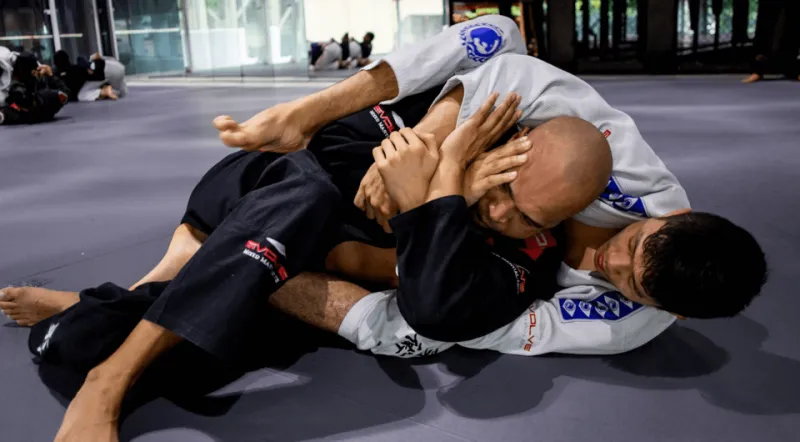
Photo: Brazilian Jiu-jitsu news, CC BY-SA 4.0, via Wikimedia Commons
Walk into a Bury jiu-jitsu class and you will see two very different silhouettes. One group looks like they are off to a very sweaty wedding in heavyweight pyjamas. The other looks like they are heading to a gym advert in a rash guard and shorts. Both are doing jiu-jitsu. Both are probably knackered. The question for a beginner is simpler than the internet makes it sound: which one do you actually want to try first?
There is no universal right answer. Anyone who tells you otherwise is probably trying to sell you something, or has strong feelings about laundry. But there are real differences in how gi and no-gi feel, what they ask of your body, and how quickly a beginner can find a foothold. Here is the honest version for people training around Bury, Ramsbottom, Tottington and the surrounding bits of Greater Manchester.
What gi training actually feels like
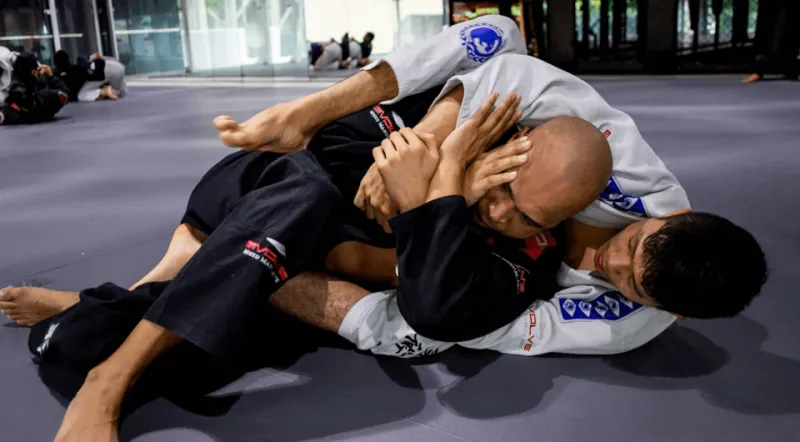
Gi jiu-jitsu is the version most people picture when they hear the words Brazilian jiu-jitsu. You wear a heavy cotton jacket, trousers and a belt. Your training partner wears the same. Suddenly there are handles everywhere: lapels, sleeves, collars, trouser grips. That can feel slow and technical at first, because it is.
A gi round often has a deliberate, problem-solving quality. You grip, you break grips, you use cloth to control someone, and you learn to be patient. Sweat makes the fabric heavier, and a winter session in a chilly hall can feel like a proper workout before you have even started sparring. For beginners who like the idea of learning a system with clear positions and grips, the gi can be very satisfying.
It is also the style with the most obvious beginner uniform. A plain white or blue gi and a belt is all you need. Most clubs in the Bury area will have loan gis for your first session or two, so you do not have to buy before you try.
What no-gi actually feels like
No-gi strips things back. Rash guard, shorts or spats, no jacket, no belt. Grips become wrist ties, collar ties, underhooks, overhooks and body locks. The pace often feels quicker. People slip out of positions more easily, and there is a lot of movement, scrambling and front-headlock-style wrestling influence.
For some beginners, no-gi feels more immediately athletic and less fussy. There is less cloth in your face and fewer weird jacket-based rules to remember. For others, it feels slippery and chaotic, because the handles you thought you had are suddenly gone.
The kit is usually cheaper to start with: a decent rash guard and shorts will get you through most beginner sessions. That matters if you are testing the water. It also means less laundry, which is not a small thing in a Bury winter.
Your first few sessions, honestly
Your first gi session will probably involve a lot of gripping, a lot of being gently folded, and a moment where you wonder why your belt feels like it was tied by a toddler. That is normal. Most beginner classes focus on a few core positions and a simple technique or two, then some controlled sparring or specific training.
Your first no-gi session may feel faster and sweatier. You might spend more time learning to move your hips and less time worrying about whether your lapel is doing something illegal. Again, normal. The first month is not about being good. It is about learning the room, the warm-up and the etiquette.
Local club culture matters here. A good beginner session should feel welcoming, not like a trial by combat. If a club pairs you with a sensible partner, explains the drill and checks you are okay, that is worth more than any brand of kit. Ask about beginner classes, loaner gear and whether you can watch a session first.
The kit question
Do not buy everything at once. This is the most common beginner mistake, and it is an expensive one. Start with the basics: a clean rash guard, shorts, water and flip flops. If you try gi and like it, buy a plain gi that fits properly. Ask your coach about club kit rules before ordering online, especially if you are between sizes.
A cheap mouthguard is a sensible early purchase if you plan to spar regularly. A bigger kit bag is also useful once you realise how much damp kit you accumulate. But none of this needs to happen in week one.
Can you do both?
Yes, and plenty of people do. Training both can make you a more rounded grappler. The gi teaches you to control cloth and be patient. No-gi teaches you to move, scramble and rely on body positioning without handles. The two feed each other.
That said, beginners often do better by picking one for a couple of months and getting comfortable with the routine. Once you know how to warm up, how to tap, how to drill and how to look after your kit, adding the other style is much less overwhelming.
A simple way to decide
If you like the sound of grips, patience and problem-solving, start with gi. If you prefer the idea of movement, speed and less laundry, start with no-gi. If you genuinely cannot decide, try a beginner session of each and see which one makes you want to come back.
That is it. You do not need a five-year plan before your first class. You need a clean top, a water bottle and enough nerve to walk through the door. Bury has a welcoming jiu-jitsu community, and most people on the mat remember exactly what it felt like to be the new person.
Pick a path, try it, and give it a few weeks before you judge it. The best style is the one that gets you training.