The Chair-to-Choke Pipeline: A Desk Worker’s Guide to Better Bury Jiu-Jitsu
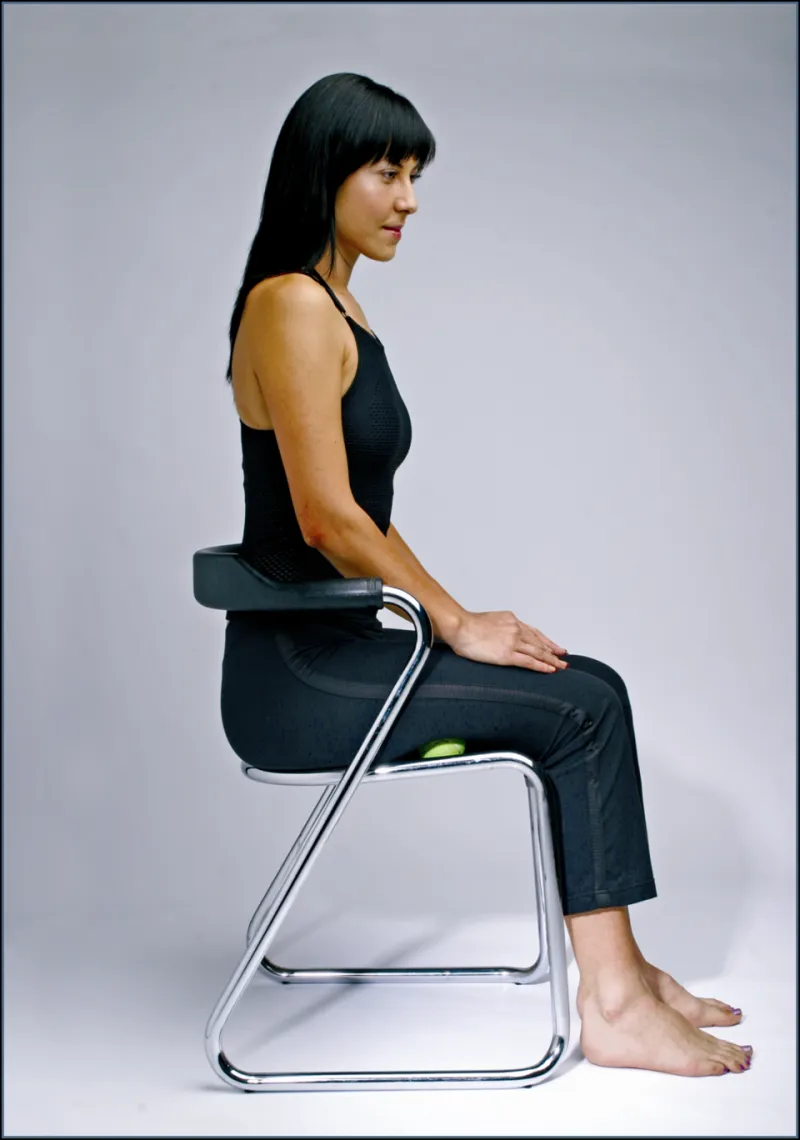
Photo: Gadgetnz, CC BY-SA 3.0, via Wikimedia Commons
There is a particular kind of tired that comes from a day at the desk. Your eyes are dry, your shoulders have crept up around your ears, and your hips feel like they have been set in concrete since about 2pm. Then you drive across Bury, get changed in a chilly leisure-centre changing room, and expect to shrimp like a teenager. It is no wonder the first ten minutes can feel like a negotiation.
Plenty of grapplers in Bury are in the same boat. We sit for work, sit on the Metrolink, sit through tea, then ask our bodies to switch into a sport that rewards movement, hip mobility and a neck that can cope with being leaned on. The good news is that you do not need a sports-science degree or a £200 mobility programme. You need a few habits, a bit of honesty and the sense to mention a niggle before it becomes a problem.
Your warm-up is not optional — but it does not need to be a workout
When you have been static all day, the temptation is to arrive late, throw a hoodie in the corner and use your first roll as the warm-up. Resist it. Cold hips and a stiff neck are not ideal companions for triangle drills or being stacked in side control.
Aim to get to the mat ten minutes early and run through a simple sequence: gentle hip circles, cat-cow, a few glute bridges, some easy shrimping, wrist circles and slow neck turns. Nothing ballistic, nothing heroic. You are not trying to sweat through your hoodie before the coach starts; you are trying to tell your body that the sitting part of the day is over.
If the Bury evening is cold and you have been in the car, add a couple of minutes of walking around the room before you start. It sounds almost too simple, but raising your body temperature a little makes the first drill feel less like a rusty hinge.
Hips: the office worker’s main character
Sitting shortens the hip flexors and lets the glutes go on a long holiday. On the mat, that can show up as shallow triangles, a back that rounds too easily and a general feeling of being folded in the wrong places.
You do not need a full yoga session at your desk. Stand up every forty-five minutes or so, even if it is just to make a brew or walk to the printer. At home, spend a few minutes on hip-flexor stretches and glute bridges. A 90/90 stretch is useful if it feels comfortable, but do not force it. Mobility work should feel like a gentle conversation, not a hostage situation.
On the mats, be realistic. If your hips are tight, do not spend the whole session trying to force a triangle from a bad angle. Ask your coach for a small adjustment, use the angle that works for your body, and tap early if something feels pinchy rather than stretchy.
Neck and shoulders: stop carrying your laptop like a rucksack
A laptop screen that sits too low, a phone held at chest height and a tense Teams call can leave your neck and shoulders grumpy before you even tie your belt. At your desk, try to get the screen closer to eye level, drop your shoulders and take a few slow breaths between tasks. It will not fix everything, but it takes the edge off.
In class, protect your neck in the warm-up. Avoid cranking it around, do not bridge onto your head, and tap if you feel your neck being compressed in a way that feels wrong. A bit of pressure in a pin is normal; numbness, tingling or a sharp jolt is not. If that happens, tell your coach rather than trying to tough it out.
Smarter training when your energy is low
Some evenings you will arrive full of beans. Other evenings you will arrive with the enthusiasm of a wet Wednesday in Bury. Both are fine. The trick is to adjust rather than skip.
If you are knackered, choose technique over heroics. Drill the move rather than jumping straight into hard sparring. Do fewer rounds, or ask for positional sparring instead of full rolls. Tell your partner you are taking it steady — most people will match your pace without a second thought. And do not skip the warm-up just because you are short on time. Five focused minutes is better than none.
After training, a short walk and some water will do more for you than collapsing into the car and scrolling. It also gives your body a chance to cool down before the drive home.
Niggles, pain and when to raise a hand
Jiu-jitsu is a physical hobby, and the odd ache is part of the deal. But there is a difference between a muscle that feels worked and a joint that feels wrong. Flag it to your coach if you get sharp pain, swelling, numbness, tingling, a joint that locks or gives way, or pain that wakes you up at night. The same goes for a niggle that hangs around for more than a week or two.
Coaches would much rather hear about a grumbly shoulder before you make it worse. A quick word before class — “my neck is a bit off, can I drill rather than spar?” — is not a sign of weakness. It is just good mat management.
The long game
Most of us are not training for a world title. We are training because it is good for us, because it is fun, and because the Bury jiu-jitsu community is a decent bunch to spend an evening with. That means looking after the body you brought to the mat. Small habits, sensible warm-ups and honest conversations with your coach will keep you rolling far longer than a heroic session followed by three weeks on the sofa.
So next time you peel yourself out of the office chair, give yourself a few minutes to switch gears. Your hips, neck and training partners will thank you.