Second Wind on the Mats: Jiu-Jitsu After 40 in Bury

Photo: Elements Of This World, CC BY 2.0, via Wikimedia Commons
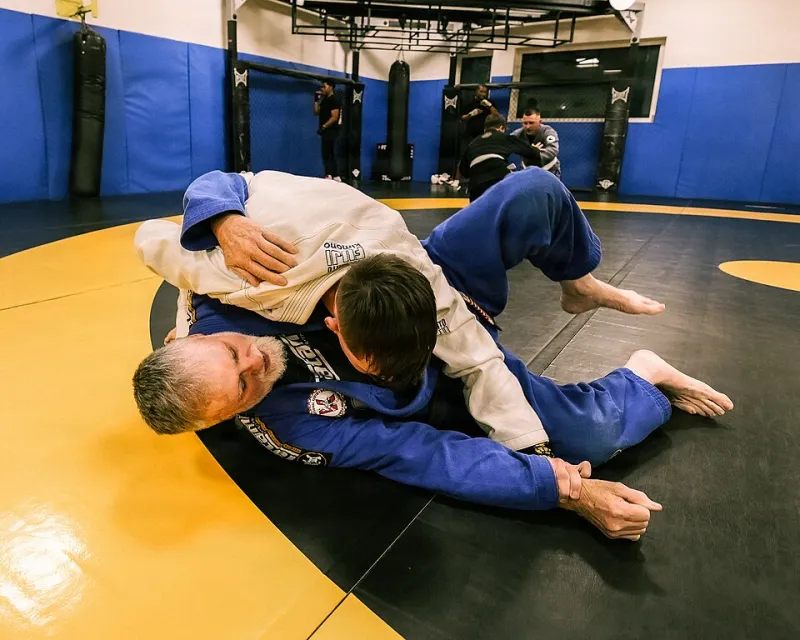
There’s a stubborn myth in martial arts that Brazilian Jiu-Jitsu is a young person’s game: teenagers bouncing into the gym, twenty-somethings with endless recovery, and everyone else watching from the sidelines. Walk into a decent club around Bury, though, and you’ll see a different picture. Dads and mums, shift workers, people who played football until their knees complained, and returning grapplers who last tied a belt before smartphones. The mats are not just for twenty-somethings. They are for anyone who can get down, get up and keep showing up.
If you’re over 40 and thinking about starting or returning, here’s the practical version — no hype, no miracle claims, just how to train smart in Bury and stay on the mats.
You’re Not Too Late — But You Are Different
Let’s get the encouraging bit out of the way first: you can start jiu-jitsu in your forties, fifties or beyond. Local coaches around Bury will tell you that older beginners often make brilliant students. They listen, they ask questions, they turn up on time, and they don’t try to win every drill like it’s a world final.
But honesty matters. A 45-year-old body does not recover like an 18-year-old body. The first month is not about smashing rounds. It’s about learning how to tie a belt, survive the warm-up, remember which side your hip escapes go to, and getting home without feeling like you’ve been folded into a rucksack.
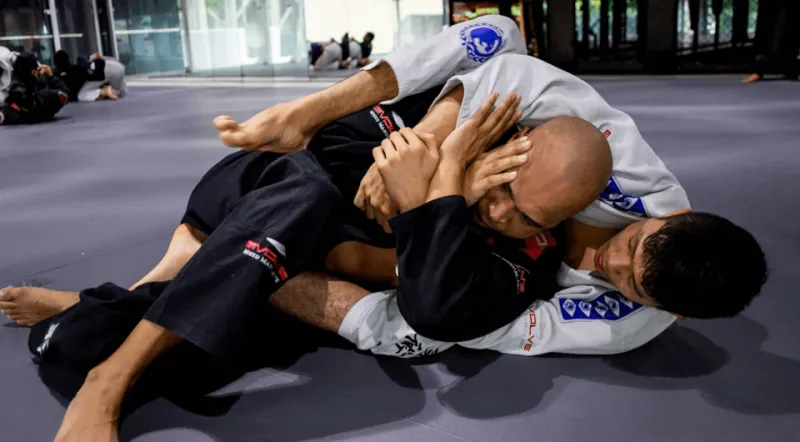
Older grapplers often progress differently. Fewer explosive scrambles, more focus on frames, guard retention, breathing and positional control. That is not a lesser version of jiu-jitsu. It is often a smarter version.
Recovery Is Part of the Training
One of the biggest mistakes older beginners make is treating rest like laziness. It isn’t. Recovery is part of the training plan, especially if you’re fitting BJJ around work, kids, DIY and the general chaos of life in Bury.
Start with two sessions a week. That’s plenty. If you’re returning after a long break, make the first few weeks deliberately easy. Sleep well, drink water, eat properly, and don’t chase every round. A local coach’s rule of thumb is simple: if you’re still wrecked two days after a session, you did too much.
Mobility work doesn’t need to be fancy. A few minutes of hip movement, neck control and shoulder care before class goes a long way. If something hurts sharply, stop. If you have an existing health condition or a injury that nags, get proper advice before you start. That’s not dramatic — it’s just sensible.
Modify, Don’t Opt Out
You do not have to do every warm-up exactly as written. Good coaches expect people to modify. If jumping jacks and bear crawls leave your knees unhappy, ask for an alternative. If you’re paired with a young, flexible guard player, let them know you’re pacing yourself.
Modified training can look like technical rounds instead of hard sparring, drilling from half guard rather than getting stacked, or tapping early and often. Tapping is not failure. It’s feedback. The over-40 grapplers who stick around are usually the ones who tap early, ask questions and leave their ego in the changing room.
Strength training can help, but don’t turn BJJ into a second job. A bit of resistance work, some walking, and consistent sleep will do more for your mat life than trying to become a powerlifter in six weeks.
Finding the Right Bury Class
Not every club is the same, and that is a good thing. Look for a beginner-friendly class, a fundamentals session or a coach who offers a proper trial. Around Bury, you’ve got options in the town centre and nearby towns like Ramsbottom, Radcliffe, Whitefield and Prestwich — plus easy links to clubs in Bolton, Rochdale and Manchester if you’re happy to travel.
Before you commit, ask a few practical questions. How big is the beginners’ class? What’s the average age? Do they run separate fundamentals sessions? What’s the warm-up like? Is there a trial period? A good coach will ask about injuries before you drill, not after.
Also pay attention to the room. A club that welcomes nervous beginners will feel different from one that treats every session like a fight camp. You want a mat culture where asking questions is normal and where nobody sneers at a careful round.
What Older Grapplers Wish They’d Known
A few themes come up again and again from over-40s around Bury:
- Nobody is watching your first session as closely as you think. Most people are focused on their own training.
- Consistency beats intensity. Two steady sessions a week will do more than one heroic session followed by a fortnight off.
- Buy a decent gum shield. It’s cheaper than dental work.
- Don’t compare yourself to the 22-year-old competitor. Compare yourself to the version of you who stayed on the sofa.
- Make friends. The social side keeps you coming back when the weather is grim and the sofa is calling.
The Community Bit
Bury BJJ Hub exists because local martial arts should feel local: friendly, practical and open to beginners. The mats are a leveller. Nobody cares what you do for a living or how old you are when you’re both trying to remember the same choke detail.
Over-40s bring something valuable to a club: patience, perspective and a bit of humour. You might be the oldest in the room on your first night, but you won’t be the only one with a mortgage, a bad back or a packed calendar.
You don’t need to get fit first. You don’t need to lose a stone before you walk through the door. You just need to find a sensible class, pace yourself and give it a proper go. The second wind is real — and it often smells faintly of mat cleaner.